

So much of the bullying narrative is centred around helping kids to cope with being victims of bullying. Schools have bullying policies and are good at solving issues. While these are certainly the correct strategies to employ, after all schools do bear responsibility too, what if it is YOUR child who is doing the bullying?
Bullying is a complex and concerning issue that affects children and families across the world. While it’s devastating for any child to experience bullying, it’s equally distressing for parents to learn that their child is the one engaging in such behavior. In fact, many parents may be tempted to leap to their children’s defence and protest vehemently that their child isn’t capable of being mean to others.
Parents may see the accusation as an affront to their parenting when their child is accused of anti-social behaviour. While I understand this stance, as a parent myself and I am not a parenting expert, I find it helps to adopt the attitude that parenting has to assume levels of objectivity. So, while you may not think that your child is capable of being a mini Grinch, do listen to the evidence and what others are telling you.
Teaching your child to stop bullying is something that will help them live better lives.
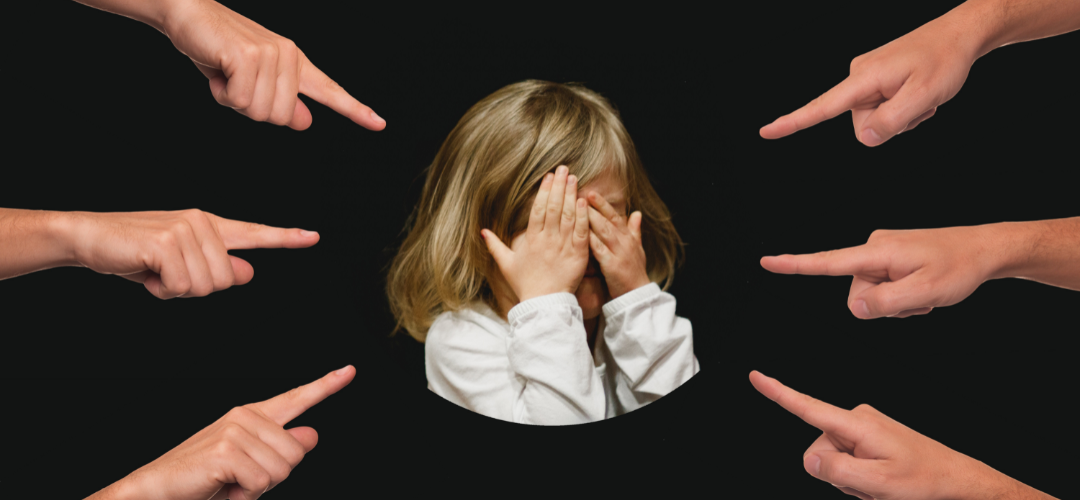
If you’ve recently discovered that your child is bullying others at school, it’s essential to address the issue promptly and effectively. This blog post will guide you through the steps to take if you find yourself in this challenging situation.
- Stay Calm and Gather Information
Discovering that your child is bullying others can be emotionally overwhelming, but stay calm and composed. Your child needs your support and guidance. Begin by collecting as much information as possible about the situation. Talk to teachers and other parents involved to gain a comprehensive understanding of the bullying incidents.
- Have an Open Conversation
Once you have gathered information, have an open and non-confrontational conversation with your child. Create a safe space where they can express themselves without fear of punishment. Ask open-ended questions to understand their perspective and motivations for their actions. Sometimes, underlying issues like low self-esteem, peer pressure, or personal struggles may contribute to their behavior.
- Teach Empathy and Responsibility
Bullying often stems from a lack of empathy and understanding of the impact one’s actions can have on others. Help your child develop empathy by discussing the feelings and experiences of the victims. Encourage them to put themselves in others’ shoes and consider the consequences of their actions.
Additionally, teach your child to take responsibility for their behavior. Help them understand that bullying is never acceptable, and they must make amends for their actions. Apologizing sincerely and making efforts to repair the harm they’ve caused is an important step towards personal growth.
- Collaborate with the School
Cooperate with your child’s school to address the issue effectively. Schools have anti-bullying policies and procedures in place to handle such situations. Work closely with them to develop a plan to stop the bullying behavior and provide support to both the victim and your child.
- Seek Professional Help if Necessary
In some cases, the underlying causes of bullying may be deeply rooted, and professional intervention is required. Consider consulting a child psychologist or therapist who specializes in behavioral issues. They can help your child explore and address the underlying emotions and issues contributing to their bullying behavior.
- Set Clear Boundaries and Consequences
Establish clear boundaries and consequences for your child’s behavior. Make sure they understand that bullying will not be tolerated and that there will be repercussions for their actions. Consistency is key in enforcing these boundaries.
- Encourage Positive Activities
Encourage your child to engage in positive activities that promote empathy, teamwork, and personal growth. Encouraging them to participate in clubs, sports, or community service can help redirect their energy in a positive direction and build healthier relationships.
- Monitor and Communicate Regularly
Keep a close eye on your child’s behavior and monitor their interactions with others, both at school and outside. Maintain open lines of communication with them to ensure they feel comfortable discussing their experiences and feelings with you.
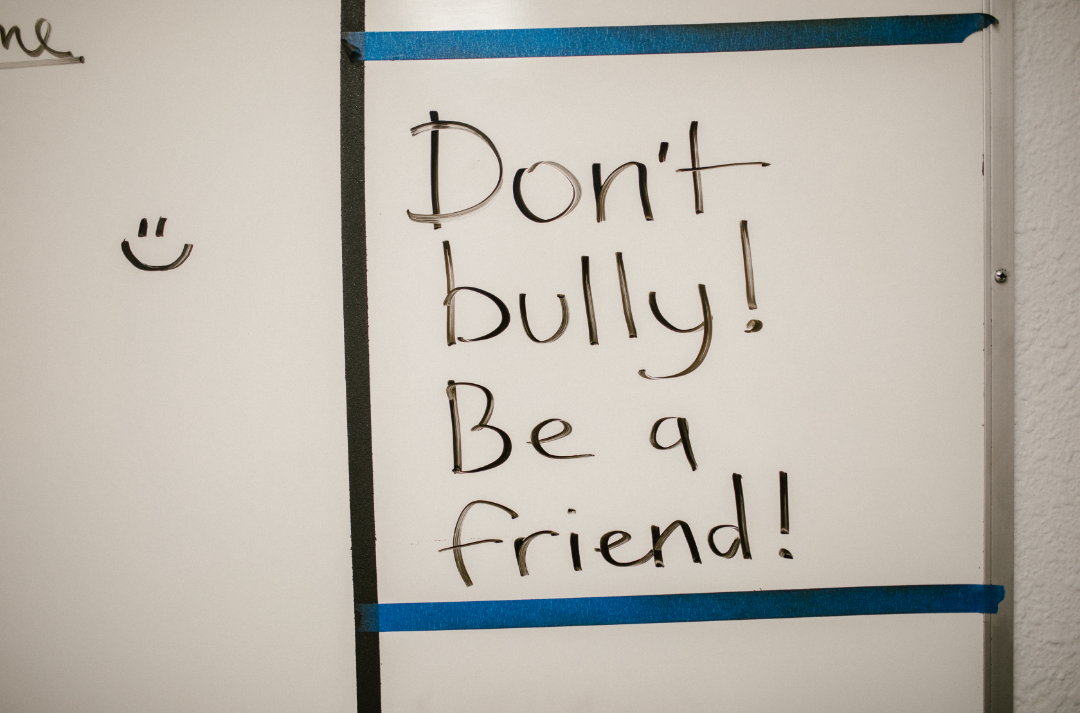
Conclusion
Discovering that your child is bullying others at school is a challenging and distressing situation for any parent. However, it’s essential to address the issue promptly and constructively. By staying calm, having open conversations, teaching empathy and responsibility, collaborating with the school, seeking professional help if necessary, and setting clear boundaries, you can guide your child towards positive change. Remember, your support and guidance are crucial in helping your child learn from their mistakes and become a better person.
